What is insomnia?
Insomnia is typically defined as the following situations:
- Difficulty falling asleep: Lying in bed for more than 30 minutes without being able to fall asleep.
- Difficulty maintaining sleep (easily awakened): Frequently waking up during the night, or having difficulty falling back asleep after waking.
- Early awakening: Waking up earlier than expected and being unable to fall back asleep.
- Poor sleep quality: Even with sufficient sleep duration, still feeling tired or lethargic upon waking.
If these symptoms persist for three or more nights, or occur frequently, you may need treatment to improve your sleep quality.
Common Causes of Insomnia
Insomnia can be caused by various factors, including:
- Stress and anxiety: Accumulated stress from work, studies, or personal life can lead to insomnia.
- Lifestyle habits: Irregular sleep schedules, excessive use of electronic devices, evening consumption of coffee or alcohol can all contribute to insomnia.
- Environmental factors: Noise, persistent light, excessive temperature are all conditions unsuitable for sleep.
- Physical health problems: Chronic pain, respiratory issues, hormonal imbalances can all affect sleep, with sleep apnea being the most common health problem causing decreased sleep quality.
- Mood disorders or mental health problems: Depression, anxiety disorders, and other mood disorders can all affect sleep.
- Medication effects: Certain medications may interfere with normal sleep cycles.
Understanding the root causes of insomnia helps in formulating effective treatment strategies. If insomnia persists or recurs, it is advisable to seek professional treatment as soon as possible.

Traditional Chinese Medicine Treatment for Insomnia
3 Constitutional Types Prone to Insomnia
In Traditional Chinese Medicine theory, insomnia is viewed as a symptom caused by internal systemic imbalance. Different constitutions lead to different types of insomnia that require different improvement methods and dietary therapies. Using the right approach is essential to effectively improve insomnia problems. People with the following constitutions are more likely to experience chronic insomnia:
Heart-Kidney Disharmony
Excessive Heart Fire or insufficient Kidney Water results in Heart-Kidney disharmony, which in turn causes insomnia.
Insomnia characteristics: People with Heart-Kidney disharmony tend to feel restless and are more excitable at night, making it difficult to fall asleep.
Dietary therapy for insomnia: Lotus Seed, Lily Bulb, and Millet Congee
Ingredients: Half cup millet, 10g lotus seeds, 5g lily bulbs, water as needed
Preparation:
- Wash the ingredients clean.
- Soak in water for half an hour.
- Cook together with the water for about 30 to 45 minutes before eating.
Liver Qi Stagnation
The Liver governs the free flow of Qi. When Liver Qi becomes stagnant and fails to circulate properly, sleep disturbances may occur.
Insomnia characteristics: People with Liver Qi stagnation generally have poor sleep quality and difficulty falling asleep. Even when they do fall asleep, they dream continuously or even have nightmares.
Dietary therapy for insomnia: Rose and Chrysanthemum Tea
Ingredients: 2 rose flowers, 3 chrysanthemum flowers
Preparation:
- Steep the roses and chrysanthemums in hot water for about 1 minute before drinking. (Can be re-steeped.)
Heart-Spleen Deficiency
The Spleen-Stomach system is the foundation of vitality. Spleen-Stomach dysfunction impairs Qi and Blood generation, resulting in Heart Blood deficiency and Heart-Spleen malnourishment, thereby affecting sleep.
Insomnia characteristics: People with Heart-Spleen deficiency tend to be light sleepers, easily awakened in the middle of the night, or prone to dreaming.
Dietary therapy for insomnia: Longan and Cinnamon Tea
Ingredients: 2 dried longan pulp, 1 cinnamon stick (can substitute with appropriate amount of cinnamon powder)
Preparation:
- Steep longan and cinnamon stick (or add cinnamon powder) in hot water for about 1.5 minutes before drinking.(Can be re-steeped.)
Note: While these dietary therapies may support sleep improvement, persistent or severe insomnia requires consultation with a qualified TCM practitioner for accurate pattern differentiation and treatment recommendations.

Traditional Chinese Medicine Treatment Methods for Insomnia
TCM treatment of insomnia typically employs a pattern differentiation approach, formulating individualized treatment plans based on each person’s specific condition. Common treatment methods include:
Herbal Medicine Treatment for Insomnia
Customized herbal formulations based on pattern differentiation. Common sleep-supporting herbs include longan pulp (龍眼肉), sour jujube seed (酸棗仁), Polygonum multiflorum vine (首烏藤), and polygala root (遠志). Herbal prescriptions for treating insomnia are primarily taken after dusk or in the evening. Modern TCM practice often uses powdered extracts, making treatment more convenient and effective.
Acupuncture Treatment for Insomnia
Acupuncture modulates Yin-Yang balance through stimulation of specific points to improve sleep quality and treat insomnia. Yintang (印堂) and Shenmen (神門) are commonly used acupuncture points for treating insomnia. If insomnia has persisted for a long time (chronic insomnia), TCM practitioners will combine constitutional point selection to comprehensively regulate systemic balance and enhance sleep quality.
Lifestyle and Wellness Cultivation to Improve Insomnia
Our daily diet and lifestyle routines can help improve insomnia. For example, dietary therapy and evening foot bathing can both improve sleep quality, but different causes of insomnia require different sleep-supporting methods.
When treating insomnia, TCM emphasizes holistic regulation, not only targeting symptoms but also focusing on regulating overall bodily balance to achieve comprehensive therapeutic effects that truly treat insomnia.
Still Struggling with Insomnia? Book Your TCM Consultation Now
Traditional Chinese Medicine can provide personalized insomnia treatment plans based on your constitution. Our professional TCM practitioners will conduct a comprehensive diagnosis and create the most suitable wellness plan for you, including herbal prescriptions, acupuncture treatment, and lifestyle recommendations.
Frequently Asked Questions About Insomnia
Is Six Hours of Sleep Per Day Enough?
Different ages require different amounts of healthy sleep. According to American expert research[1]: school-age children need 9 to 11 hours; teenagers need 8 to 10 hours; young adults and adults need 7 to 9 hours; elderly people need 7 to 8 hours. However, if physical discomfort occurs or due to different lifestyles, the actual sleep time needed varies from person to person. The most important thing is to wake up feeling mentally refreshed with fatigue relieved.
How to Solve Insomnia?
Improving insomnia should be based on body constitution, consuming dietary therapy suitable for your own constitution (please refer to the main text for details). Additionally, you can soak your feet in the evening to help with sleep. For long-term insomnia, seek professional help as early as possible. Both Chinese herbal medicine and acupuncture treatment can effectively treat insomnia.
How to Fall Asleep When Having Insomnia?
Foot soaking before sleep and lying flat to practice deep breathing can both accelerate body relaxation and help with falling asleep. Additionally, a regular biological clock can also help with rapid sleep at specific times, for example, going to bed every day between 11:00 and 11:30 PM.
What to Eat for Insomnia?
Lotus seeds, lily bulbs, longan (dried longan pulp), millet, chrysanthemum, etc., may all help with sleep. To truly improve insomnia, you need to find dietary therapy foods suitable for your own constitution.
What Acupressure Points Help You Fall Asleep Quickly?
Shenmen (神門) on the wrist and Anmian (安眠) behind the ear are commonly used TCM acupressure points to help with sleep.
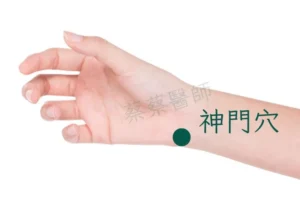
Shenmen Point Location: On the wrist at the palmar transverse crease, in the depression on the radial side of the flexor carpi ulnaris tendon, posterior to the pisiform bone.
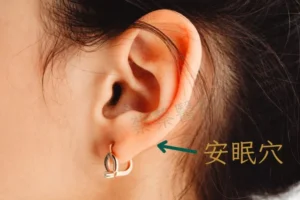
Anmian Point Location: Located behind the ear, at the midpoint of the line connecting Yifeng and Fengchi points. At the depression on the outer edge of the raised neck muscle, locate the point at the midpoint of the line connecting with the mastoid depression where the sternocleidomastoid muscle terminates.